Why the US Currently Has No Ambassador to Pakistan — Explained
Pakistan and the United States continue diplomatic engagement despite the absence of a Senate-confirmed US ambassador in Islamabad — a situation that occurs periodically and does not indicate a breakdown in bilateral relations.
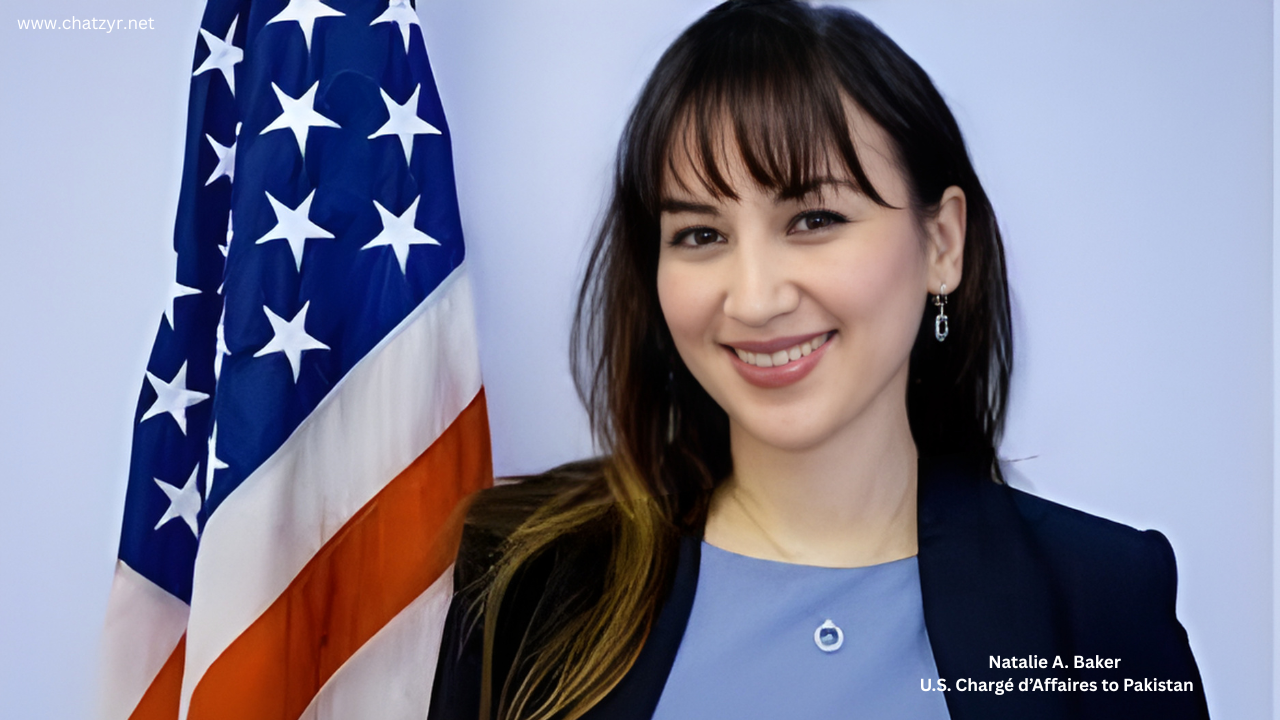
At present, the US mission in Pakistan is headed by a Chargé d’Affaires, the senior diplomat who assumes full responsibility for embassy operations when the ambassadorial post is vacant. This arrangement is a standard international diplomatic practice, ensuring continuity in political, security, and economic engagement.
Current Chargé d’Affaires
The US Embassy in Islamabad is currently led by Natalie A. Baker, a senior career Foreign Service officer who assumed charge after the departure of Ambassador Donald Blome. Baker has previously served in key diplomatic roles in Doha and Libya and continues to engage Pakistani leadership on security cooperation, education, immigration, and development issues.
Historical Role of Chargés d’Affaires in Pakistan
The US mission in Pakistan has repeatedly been led by Chargés d’Affaires during ambassadorial gaps:
- Paul W. Jones served as Chargé d’Affaires ad interim from September 22, 2018, to August 31, 2020, following Ambassador David Hale’s tenure. During this period, he guided diplomatic engagement amid heightened regional security challenges.
- Angela Aggeler succeeded him and served as Chargé d’Affaires ad interim from September 1, 2020, to May 23, 2022, maintaining embassy operations and bilateral coordination until a new ambassador was appointed.
- Historically, when Pakistan gained independence in 1947, the US Embassy was initially led by a Chargé d’Affaires before the first ambassador formally assumed office — underscoring that such transitions are not unusual in diplomatic relations.
Why Ambassadorial Vacancies Occur
US ambassadorial appointments require:
- Presidential nomination
- Background vetting
- Confirmation by the US Senate
This multi-step process can face delays due to domestic political transitions, legislative schedules, or shifting foreign policy priorities. During such periods, Chargés d’Affaires ensure uninterrupted diplomatic engagement.
Why it matters now:
With Pakistan and the US coordinating on immigration controls, regional security, and economic cooperation, understanding diplomatic representation helps counter misinformation and reinforces confidence in the continuity of bilateral relations.
Published on Chatzyr.net
Written By Editorial Desk | Team Chatzyr