Albania Protests Turn Violent as PM Edi Rama Rejects Resignation Calls | ChatZyr
By Editorial Desk | Team ChatZyr
TIRANA, Albania: Albania faced escalating political unrest as anti-government demonstrations in the capital turned violent, with police deploying tear gas and water cannon while Prime Minister Edi Rama rejected demands for his resignation.
The protests entered their sixth consecutive day on Sunday, as hundreds of demonstrators gathered outside the Education Ministry in Tirana. Protesters called for Rama to step down, expressing anger over university conditions, high tuition fees and allegations of corruption.
The demonstrations have intensified tensions between the government and sections of the public, with clashes resulting in damage to buildings, vehicles and street infrastructure.
Police Use Tear Gas as Clashes Intensify
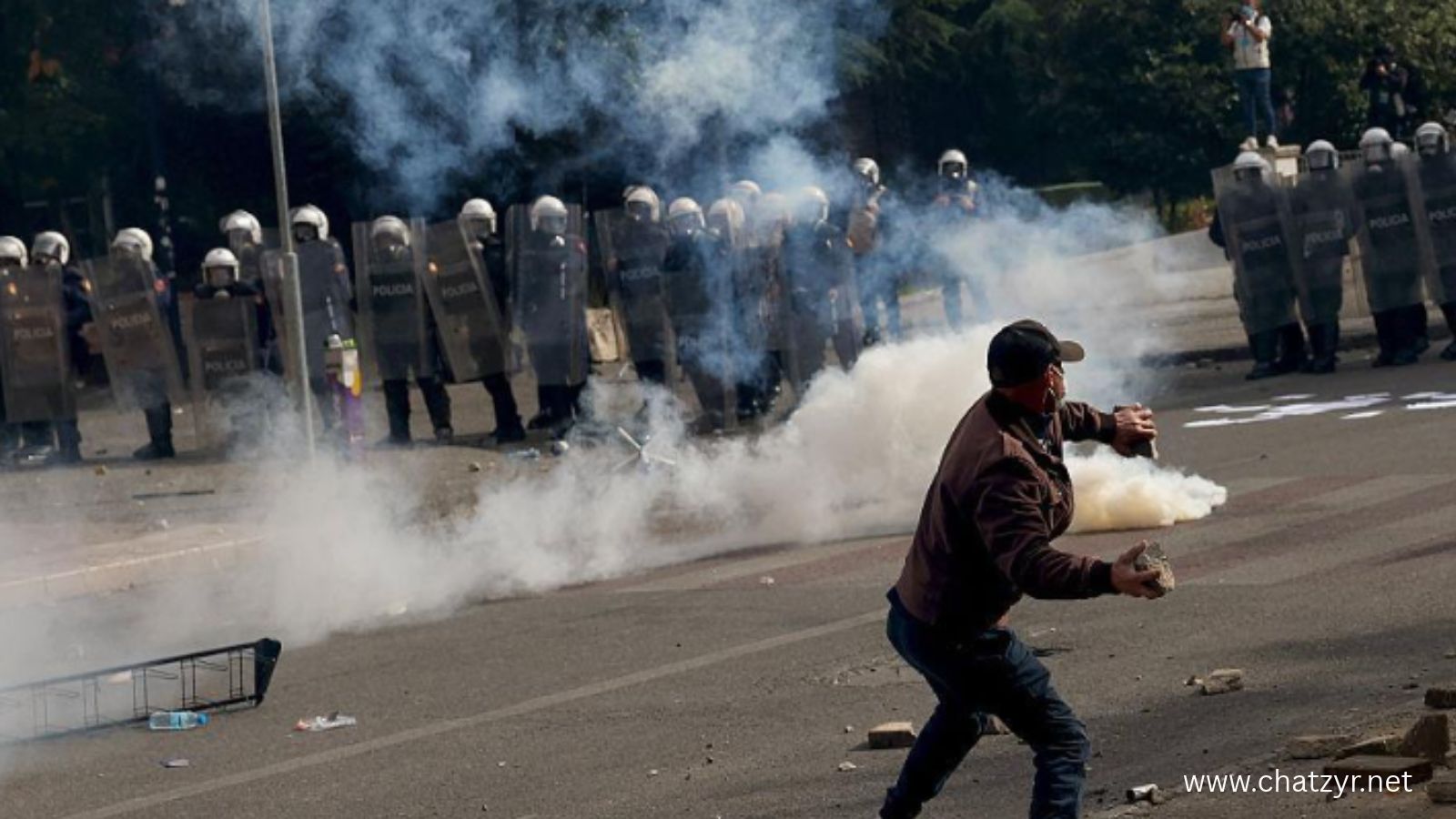
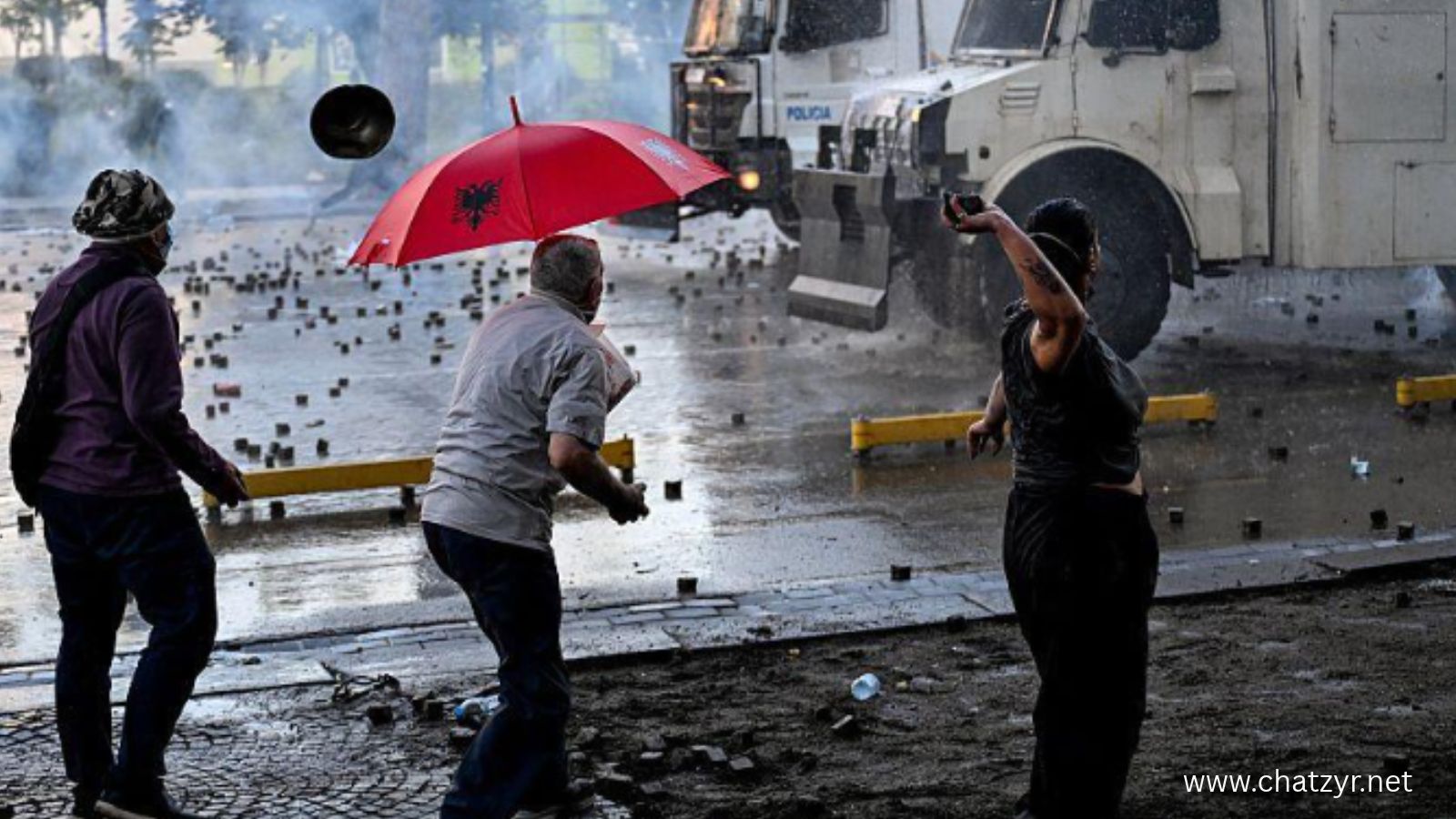
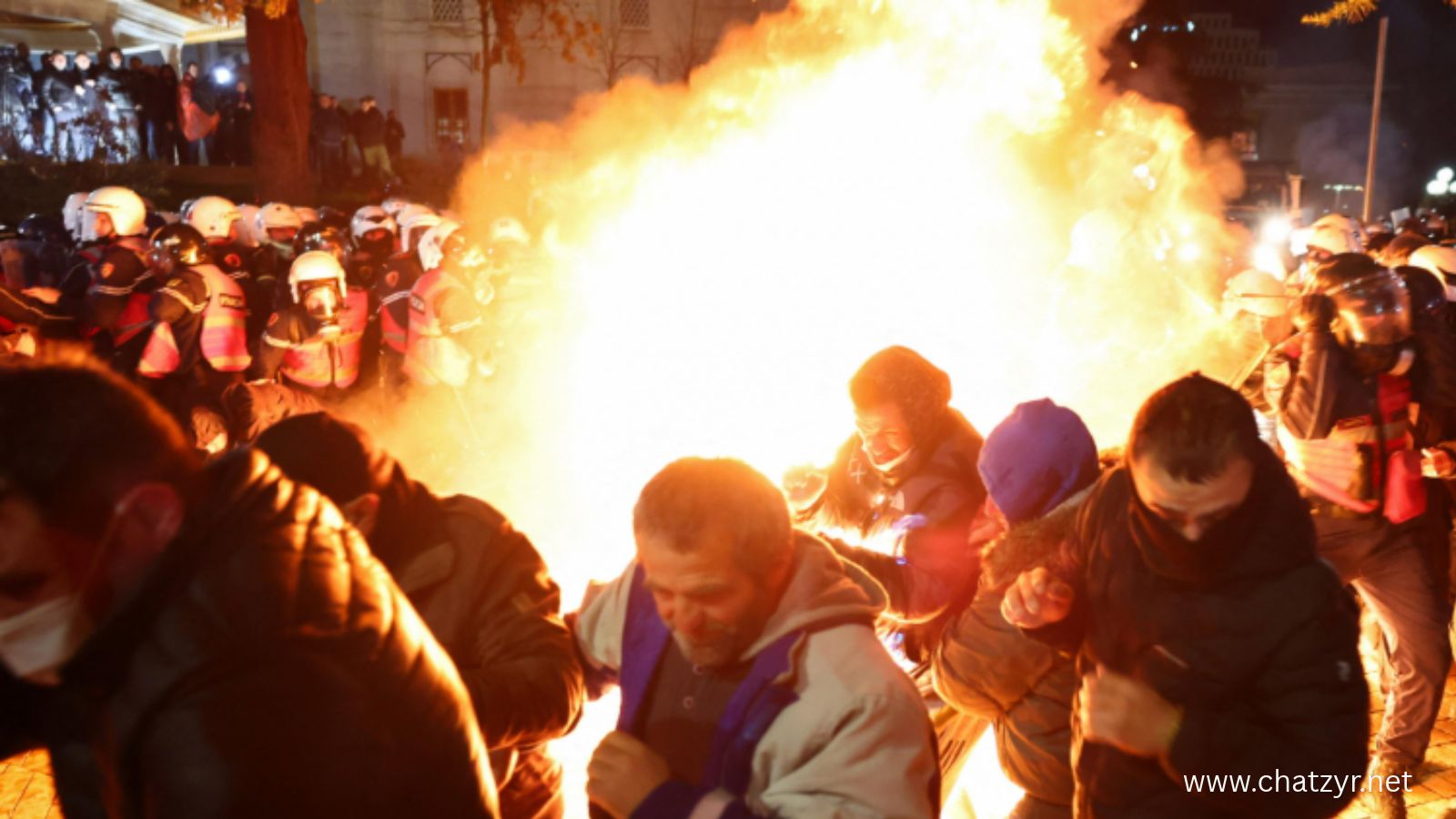
Police deployed water cannon and tear gas to disperse demonstrators as tensions rose outside the Education Ministry. Protesters reportedly threw stones, metal objects, pyrotechnic devices and Molotov cocktails at officers during confrontations.
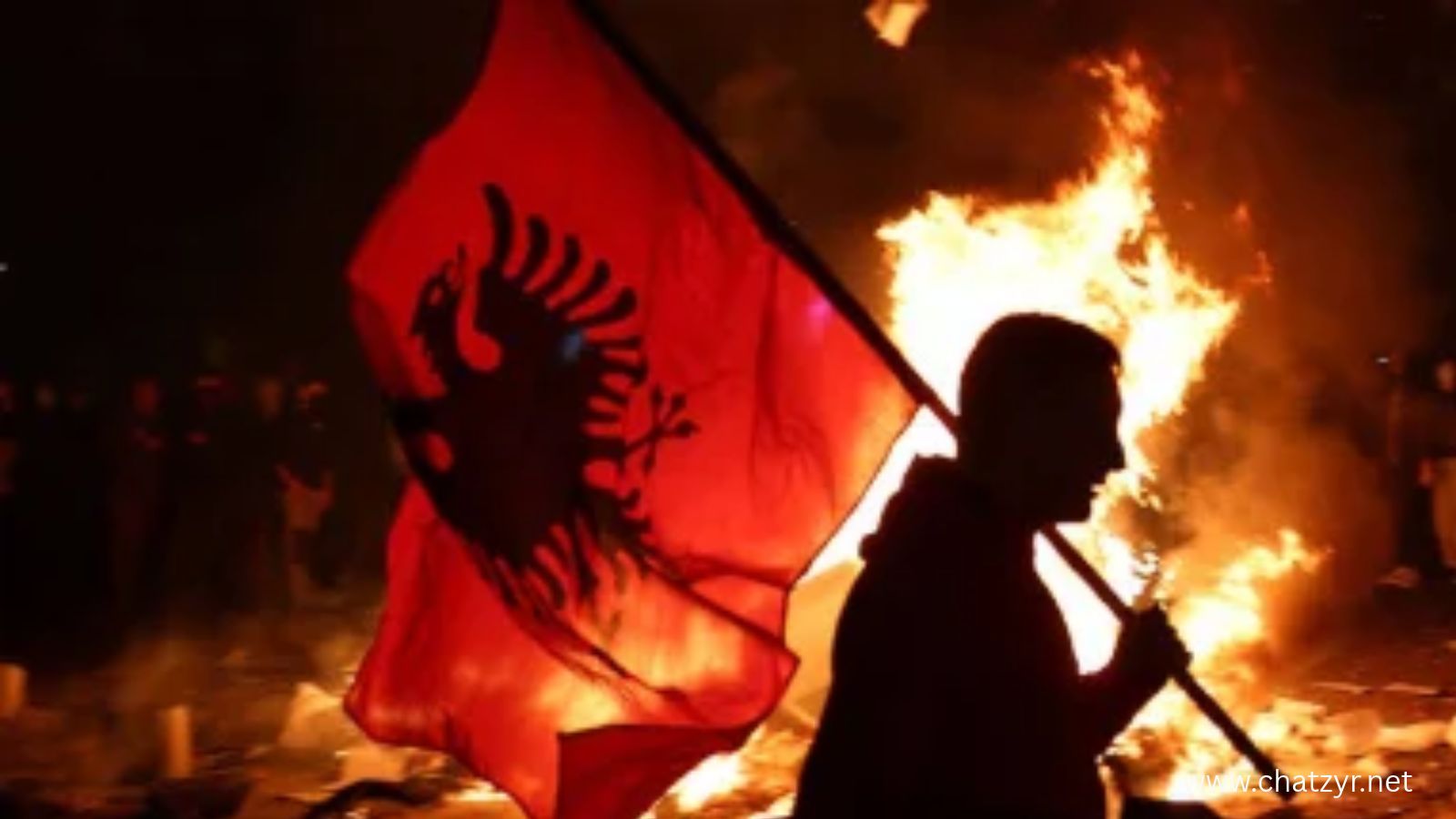
Rubbish bins were set ablaze, windows were smashed along protest routes, and the headquarters of the governing Socialist Party was among the locations reportedly damaged.
Saturday saw some of the most serious violence since the demonstrations began. Protesters set vehicles on fire and used burning rubbish bins as barricades against advancing police. The confrontations highlighted the growing difficulty of containing the unrest as anger over political and education-related issues continued to spread.
The demonstrations began on Tuesday, with protesters demanding improvements in university conditions and action over the high cost of education. As the protests continued, calls for the prime minister's resignation became a central demand.
Education Costs and Corruption Allegations Fuel Anger
Education has emerged as one of the main issues driving the demonstrations. Protesters have raised concerns about university conditions, tuition fees and the financial pressures facing students.
For many demonstrators, the dispute extends beyond education policy. Allegations of corruption and broader dissatisfaction with the government have added to public anger, turning the gatherings into a wider challenge to Rama's leadership.
Young people facing the costs of higher education and uncertainty about future opportunities have become an important part of the debate. Protesters are demanding meaningful action rather than assurances that their concerns will eventually be addressed.
The government's response to these grievances could influence whether the demonstrations lose momentum or continue to attract more participants.
Although corruption allegations have featured prominently in the political debate, allegations should not be treated as proven wrongdoing without supporting evidence.
Edi Rama Refuses to Resign
Despite the growing pressure, Rama has ruled out stepping down.
In a video broadcast on Sunday, the prime minister described the protests as the work of an outside hand. He argued that the demonstrations threatened not only his government but also Albania's ambitions to join the European Union.
His remarks signalled that the government does not intend to yield to the demonstrators' principal political demand.
The standoff has left protesters pressing for leadership change while the prime minister maintains his position. With demonstrations continuing for several days, the prospect of a quick resolution remains uncertain.
Rama's handling of the crisis is likely to shape the next phase of the political confrontation, particularly if protesters continue to demand his resignation alongside action on education and corruption concerns.
Why Albania's European Union Ambitions Matter
Albania's pursuit of European Union membership adds another dimension to the unrest.
The country's European ambitions depend on progress across several areas, including the rule of law, democratic institutions and efforts to tackle corruption. Political stability and public confidence in government institutions are therefore important to the broader accession process.
Rama has warned that the demonstrations could damage Albania's European aspirations. Protesters, however, are demanding accountability and action on issues they believe have not received adequate attention.
The disagreement highlights a wider question facing the country: how can Albania advance its European ambitions while responding to public frustration over governance, education and political accountability?
The answer will depend not only on how the authorities manage street demonstrations but also on whether the underlying grievances receive a credible response.
US Embassy Urges Calm
The United States Embassy in Tirana called for restraint and calm from all sides as the protests continued.
The appeal came amid reports of attacks on police, damage to buildings and fires involving vehicles and street infrastructure.
The call for restraint underscored the importance of preventing further violence as the political dispute continues. At the same time, the situation presents a challenge for the authorities in balancing public safety with the right to peaceful protest.
Further confrontations could increase tensions and deepen divisions between demonstrators and the government.
What Happens Next?
The immediate direction of the crisis remains uncertain. Rama has refused to resign, while protesters continue to demand political accountability and action over education costs, university conditions and corruption allegations.
A peaceful resolution will depend on whether the government can address the concerns driving the demonstrations and whether further protests can take place without escalating into violence.
The authorities face pressure to maintain public order, protect people and property, and respond appropriately to public grievances. Protesters also face a choice over how to sustain their demands without allowing violence to overshadow the issues at the centre of the movement.
For Albania, the consequences extend beyond the streets of Tirana. The unrest has placed renewed attention on public trust, the government's response to criticism and the country's European ambitions.
As the demonstrations continue, the government's next steps could prove decisive in determining whether the situation stabilises or develops into a deeper political crisis.
Disclaimer: This article is intended for informational purposes. Allegations are presented as allegations and should not be interpreted as established facts. Details may change as the situation develops.
Credits: ChatZyr News Desk
Written By Editorial Desk | Team ChatZyr
Published on Chatzyr.net
ChatZyr — News That Matters.