international
US Captures Nicolás Maduro: Venezuela’s Oil and Geopolitics at the Center of Regime Change
#Latin America#Geopolitics#Oil & Energy
9mo ago • Jan 5, 2026, 09:28 AM • Updated 2mo ago
2 min read
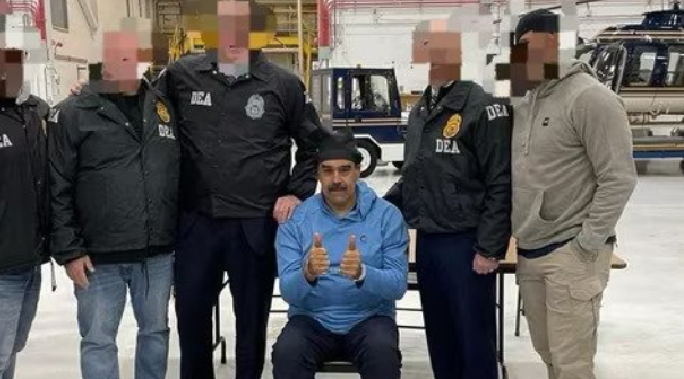
Images of Venezuelan President Nicolás Maduro handcuffed and humiliated by US forces have shocked the world. While such events may seem familiar—similar tactics were used against Qaddafi in Libya, Saddam Hussein in Iraq, and other oil-rich leaders—they underscore the ongoing struggle over Venezuela’s oil and US influence in Latin America.
For decades, the United States has targeted leaders who resisted foreign control of natural resources. Hugo Chávez, Venezuela’s former president, angered Washington by nationalizing the country’s oil industry and using revenues to benefit Venezuelans rather than foreign corporations. Maduro, Chávez’s chosen successor, continued this legacy. By keeping Venezuela’s oil largely independent, he challenged US energy interests, prompting years of sanctions, economic pressure, and assassination attempts, including the world’s first known drone attack on a sitting head of state.
The US began targeting Venezuela economically in 2014, manipulating global oil prices to weaken the country. Under Obama, sanctions limited financial access, and under Trump, embargoes froze assets and restricted borrowing. Experts say these measures caused an economic collapse comparable to multiple Great Depressions, resulting in widespread shortages of food, medicine, and other essentials. Despite this, Maduro refused to hand over Venezuela’s oil. Meanwhile, opposition leader Juan Guaidó, backed by Washington, openly offered to open Venezuelan oil fields to American companies, making the country a target for regime change.
The US justified its intervention using controversial legal arguments, often ignoring international law protections under the UN Charter and the Geneva Conventions. Maduro, as commander-in-chief, is a legitimate military target during hostilities, but his capture raises serious questions about his rights as a Prisoner of War. History shows that US occupations often rewrite local laws and constitutions to serve foreign interests, as seen in Iraq. Venezuela now risks American control over its government, natural resources, and domestic policies.
Maduro’s capture highlights the ongoing geopolitical struggle over oil, energy, and global influence. While the US advances its interests, China and Russia watch cautiously, and the Global South expresses concern but has limited ability to intervene. The operation reflects a persistent US pattern: regime change in resource-rich nations, ensuring that energy resources align with American corporate and political interests.
This intervention in Venezuela emphasizes how oil, sanctions, and geopolitics continue to shape Latin America. While Maduro remains a symbol of resistance against foreign control, his country faces enormous challenges as international powers assert influence over its economy, governance, and resources.