
japan
Japan Prime Minister Supports Female Lawmakers’ Push for More Parliament Toilets Amid Gender Equality Debate
#JapanPolitics#WomenInParliament#GenderEqualityJapan#ParliamentToiletsCrisis
9mo ago • Jan 1, 2026, 07:43 PM • Updated 2mo ago
2 min read
Japan Prime Minister Backs Female Lawmakers in Push for More Women’s Toilets in Parliament
Japan | Chatzyr.net
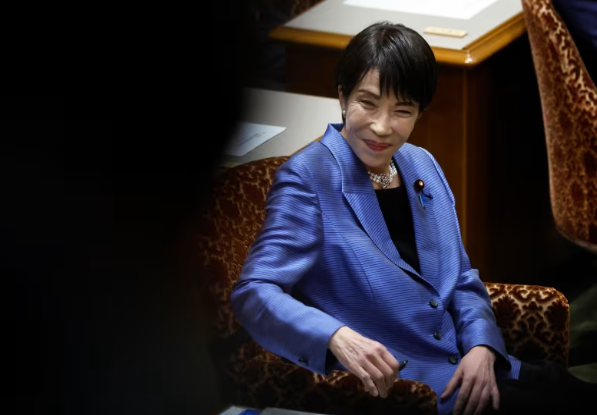
Japan’s Prime Minister Sanae Takaichi has joined over 50 female lawmakers in a campaign to expand the number of women’s restrooms in the country’s parliament, citing long queues caused by the growing presence of women in the House of Representatives.
Currently, only two cubicles serve 73 female members at Tokyo’s male-dominated National Diet building, according to a petition submitted by female MPs on December 12. The request has received cross-party support, including backing from members of seven political parties and independent groups.
“Before the main assembly session, a large number of female lawmakers line up in front of the women’s restroom,” said Yasuko Komiyama, a female member of the opposition Constitutional Democratic Party (CDP). Komiyama emphasized that the shortage affects not only lawmakers but also female parliamentary staff and an increasing number of women journalists covering the Diet.
The issue underscores broader gender equality challenges in Japan, a country historically dominated by men in politics and workplaces. Japan ranked 118th out of 148 countries in the World Economic Forum’s latest Global Gender Gap Index, reflecting persistent barriers for women in leadership positions.
The election of Prime Minister Takaichi last year marked a historic moment for Japan, contributing to a rise in female lawmakers to 73, though women still hold less than 16 percent of seats in the House of Representatives, according to IPU Parline data.
The petition describes the lack of adequate women’s restrooms as “a critical issue that could potentially impact the conduct of proceedings and the performance of duties,” highlighting the practical and symbolic importance of gender-inclusive infrastructure in government.
Female opposition MP Tomoe Ishii noted in an Instagram post that the shortage “has long been an issue,” pointing out the broader societal reluctance to address the lack of women’s restrooms in workplaces and schools across Japan.
The National Diet building itself predates women’s suffrage in Japan. Completed in 1936, it stood for nearly a decade before women gained the right to vote in 1945, and a year later, the first female member of parliament was elected—a historical milestone that continues to influence debates on gender equality in Japanese politics today.