Iran Holds Funeral Procession for Assassinated Supreme Leader Ali Khamenei as Thousands Gather in Tehran
By Editorial Desk | Team Chatzyr
TEHRAN: Iran entered a historic day of mourning on Monday as the funeral procession for assassinated Supreme Leader Ayatollah Ali Khamenei began in Tehran, drawing thousands of mourners and marking one of the most significant public ceremonies in the Islamic Republic's history.
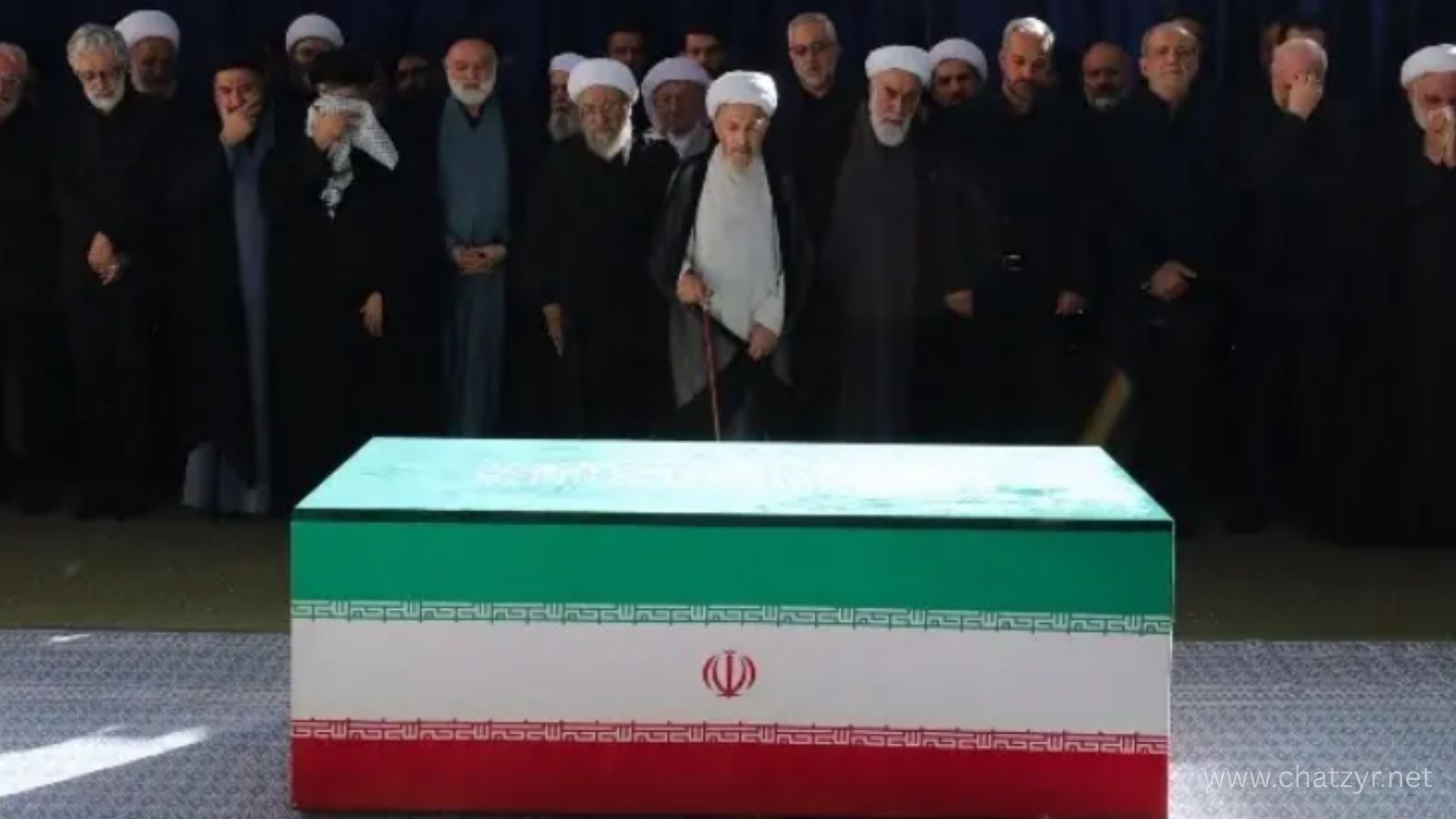
State television broadcast live images of Khamenei's coffin, draped in the Iranian flag, being carried through the capital aboard a ceremonial vehicle. Crowds lined the procession route, waving Iranian flags, holding portraits of the late leader, and chanting religious slogans as security forces maintained a heavy presence throughout the city.
Iranian authorities expect attendance to rival or surpass the funeral of the country's founding Supreme Leader, Ayatollah Ruhollah Khomeini, in 1989. Officials organized nationwide transportation and extensive security measures to accommodate mourners traveling from across the country, describing the funeral as a symbol of national unity during a period of heightened regional tensions.
Khamenei was killed in a joint U.S.-Israeli military strike that dramatically reshaped the political landscape of the Middle East and triggered a new phase of uncertainty for the Islamic Republic. His death ended nearly four decades as Iran's highest political and religious authority, leaving the country facing a historic leadership transition.
Following the Tehran procession, additional funeral ceremonies are scheduled in several cities before Khamenei is laid to rest at the Imam Reza shrine in Mashhad. Iranian authorities have declared a period of national mourning, while senior government officials, military commanders, religious leaders, and foreign delegations continue to pay their respects.
The funeral marks a pivotal moment for Iran as the country enters a new political era following the death of its longest-serving leader. Regional governments and global powers are closely monitoring developments, with analysts expecting the transition to influence Middle Eastern politics and regional security for years to come.
Why it matters: The funeral is more than a national ceremony. It signals the beginning of a new chapter in Iran's leadership while unfolding against a backdrop of heightened geopolitical tensions that could shape the future of the Middle East.
Published on Chatzyr.net
Written By Editorial Desk | Team Chatzyr
Disclaimer: This report is based on information obtained from credible and publicly available sources at the time of publication. Details may evolve as further official confirmations and investigations emerge.