india
India Elections 2026: Massive Voter List Cleanup Under Pressure With 500 Million Names
#IndiaVoterList#IndiaElections#ElectoralRollUpdate#IndianDemocracy
9mo ago • Jan 1, 2026, 07:12 PM • Updated 2mo ago
3 min read
India’s Massive Voter List Cleanup: 500 Million Names, Millions Deleted, and Rising Pressure
Noida, India | Chatzyr.net
India has launched one of the largest democratic exercises in the world: cleaning and verifying the longest voter list on the planet, covering nearly 500 million voters across 12 states and union territories.
With deadlines looming and elections ahead, tens of thousands of government workers are racing against time to update voter records—many working late into the night under intense pressure.
World’s Largest Democracy Faces a Data Challenge
India’s voter list, last comprehensively revised in 2003, no longer reflects reality. Since then:
Millions have migrated from villages to cities
Large numbers of voters have died
Women have changed surnames after marriage
Many migrant and low-income citizens lack required documents
Authorities say the cleanup is necessary to ensure free and fair elections in the world’s largest democracy.
But critics warn the process risks disenfranchising eligible voters.
One Month to Verify 500 Million Voters
Unlike the 2003 revision—which took six months—this time officials initially had just one month to verify voters.
In Uttar Pradesh, India’s most populous state, the deadline has already been extended four times.
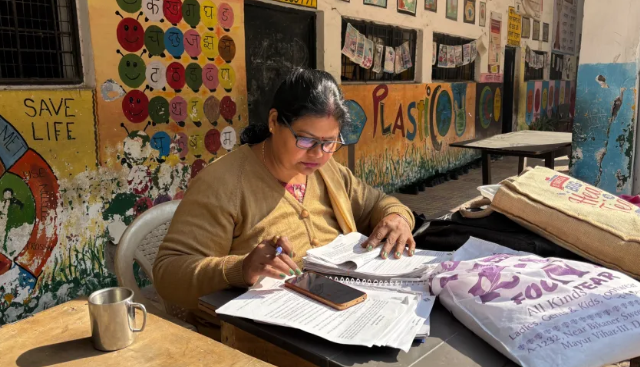
More than 500,000 government employees, including schoolteachers, have been deployed as Booth Level Officers (BLOs) to manually verify voter details.
They are paid an additional ₹1,000 ($11) per month for the work.
“There’s Stress, Pressure, and No Time”
Prem Lata, a schoolteacher in Noida, starts work at 5 a.m. and often finishes after midnight.
“There’s a lot of stress and pressure… my body hurts,” she said. “We’re human, not machines.”
Out of 945 voters assigned to her, hundreds have been verified—but many are untraceable, deceased, or have moved without records.
Migrants, Missing Documents, and Confusion
Many voters don’t understand why verification is required again.
Others simply can’t comply.
India requires one of 12 approved government documents, which many migrant workers and poorer citizens do not possess.
Geeta Rana, 40, recently changed her surname and moved homes. Her parents have died, and she doesn’t know their old constituency—making verification nearly impossible.
“If my vote isn’t verified, my daughter’s vote could be affected too,” she said.
Millions of Names Removed, Political Tensions Rise
Draft voter lists show millions of names deleted across multiple states:
West Bengal: 5.8 million names removed
Tamil Nadu, Gujarat, Madhya Pradesh: Millions more deleted
Nearly half of removed names in West Bengal are listed as deceased—but opposition parties allege targeted exclusions, especially of minorities.
The government denies the claims.
Government Defends Voter Verification Drive
Home Minister Amit Shah has defended the process in parliament, calling it a routine verification of legitimate voters.
“Should dead people vote? Should someone vote in multiple places?” he asked.
However, dozens of legal cases have been filed against BLOs, and parliamentary data shows more than a dozen election workers have died by suicide under mounting pressure.
Fear, Fatigue, and the Risk of Losing Votes
In Uttar Pradesh, police complaints have been filed against election workers for alleged negligence.
“I’ve been a teacher for 20 years,” Lata said. “The idea of losing my job is terrifying. But we’re doing this so people don’t lose their right to vote.”
What Happens Next?
Authorities aim to complete voter list verification nationwide before the 2029 general election, though dates for remaining states are yet to be announced.
For workers like Lata, the job won’t end anytime soon.
“After this, we register new voters. Then elections come,” she said. “And then we return to teaching—the job we were hired to do.”