Hormuz Tensions Reignite as Three Ships Are Struck and Qatar Accuses Iran of LNG Tanker Attack
By Editorial Desk | Team ChatZyr
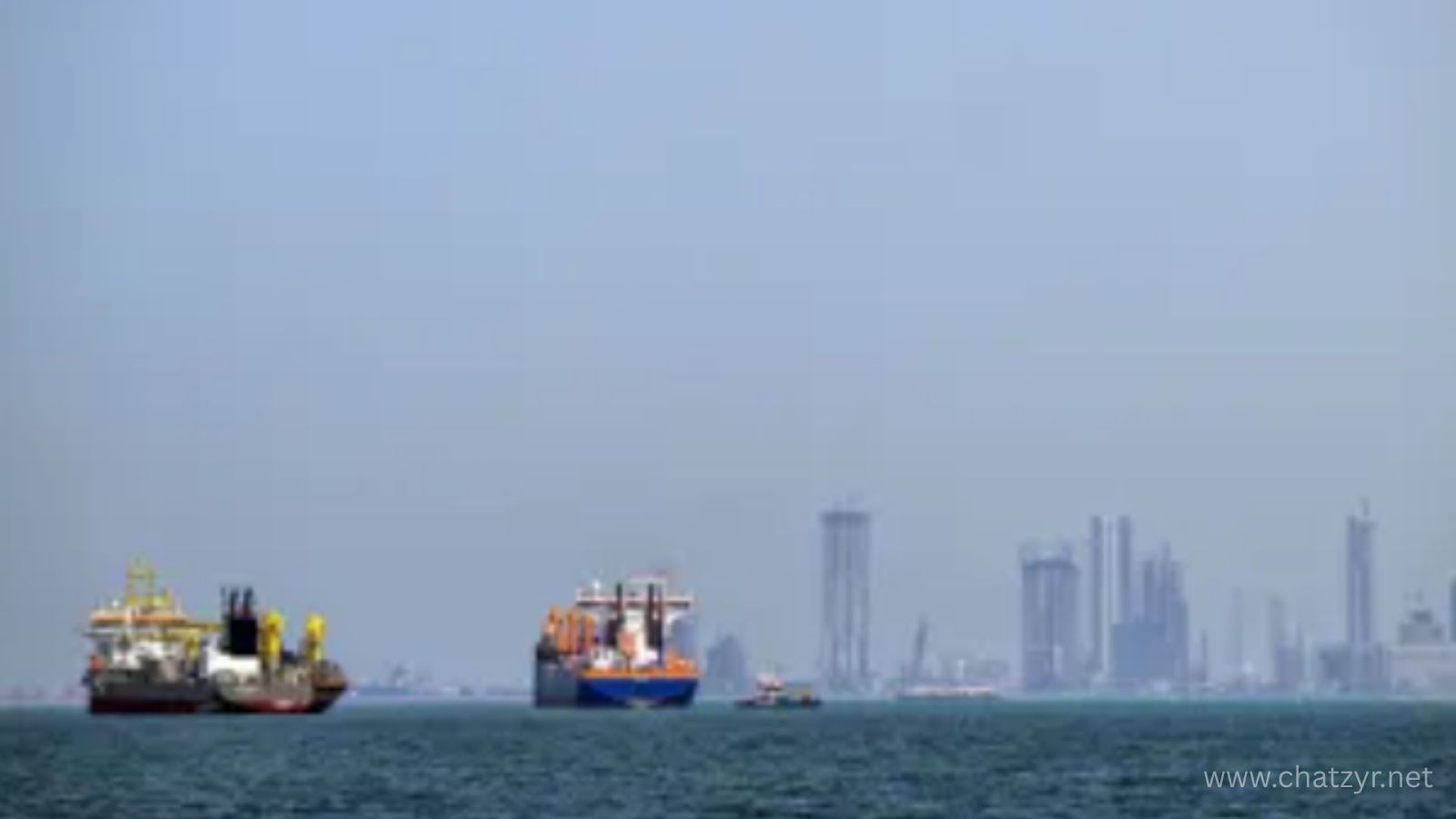
DOHA / MUSCAT – A fragile ceasefire in the Gulf came under renewed pressure after three commercial vessels were struck near the Strait of Hormuz, prompting Qatar to accuse Iran of targeting one of its liquefied natural gas (LNG) tankers in an incident that has reignited concerns over the security of one of the world's most critical maritime trade routes.
The attacks occurred within hours of each other near Omani waters and have revived fears over freedom of navigation through the Strait of Hormuz, a strategic waterway through which around one-fifth of the world's seaborne oil and a significant share of global LNG exports pass. Any disruption to shipping in the area has the potential to affect global energy markets, freight costs, and maritime insurance.
Three Commercial Vessels Targeted
According to the UK Maritime Trade Operations (UKMTO), the first tanker was struck overnight by an unknown projectile, causing a fire onboard. Two additional commercial vessels were later hit, with at least one reportedly struck by a drone.
The incidents occurred close to the coast of Oman, where authorities continue to monitor maritime security following recent regional tensions.
Investigations into the attacks remain ongoing.
Qatar Blames Iran
Qatar confirmed that one of the affected vessels was the LNG tanker Al-Rekayyat and strongly condemned the attack.
Foreign Ministry spokesperson Majed Al Ansari described the incident as "an unacceptable attack on the security and safety of international maritime navigation," adding that Qatar considers Iran legally responsible for the attack and any resulting consequences.
The statement represents one of Doha's strongest public accusations against Tehran in recent years, despite Qatar's continued role in regional diplomatic efforts.
Iran had not publicly responded to Qatar's accusation at the time of publication, and responsibility for the attacks has not been independently verified.
A Strategic Waterway Under Pressure
The Strait of Hormuz remains one of the world's most strategically important shipping lanes, serving as the primary export route for crude oil and liquefied natural gas from Gulf producers.
Although commercial traffic resumed after the recent US-Iran ceasefire, uncertainty has remained over the future administration of maritime transit through the narrow waterway.
Oman has proposed a temporary shipping corridor closer to its coastline to improve navigational safety and reduce tensions. Reports indicate that Iran opposes the proposal and has advocated for a new maritime framework governing commercial traffic through the strait.
The differing positions have added uncertainty for international shipping companies operating in the Gulf.
Energy Markets Watching Closely
Although global energy markets showed no immediate signs of major disruption following the attacks, analysts warn that prolonged instability around the Strait of Hormuz could quickly affect international oil prices, LNG exports, shipping costs, and insurance premiums.
The waterway remains indispensable to global energy supplies, making even isolated security incidents closely watched by governments, investors, and commodity markets worldwide.
Ceasefire Faces a New Test
The attacks come despite a fragile ceasefire reached after months of heightened tensions involving Iran, the United States, and Israel.
While large-scale military confrontation has eased, the latest incidents demonstrate that regional security remains highly fragile.
Diplomatic efforts involving Gulf states, Oman, Qatar, Iran, and the United States are expected to continue as regional leaders seek to prevent further escalation and safeguard international maritime navigation.
What to Watch
Maritime investigators are expected to continue examining the attacks while regional governments assess potential security measures for commercial shipping.
International shipping companies and insurers will also be closely monitoring developments, as any further escalation in the Strait of Hormuz could influence shipping routes, freight costs, energy prices, and broader global economic stability.
Why It Matters
The Strait of Hormuz is one of the world's most vital maritime chokepoints, connecting Gulf energy producers with international markets. Renewed attacks on commercial shipping not only threaten regional stability but also carry the potential to disrupt global supply chains and energy markets. As diplomatic efforts continue, the international community will be watching closely to see whether tensions ease or the security situation deteriorates further.
Published on ChatZyr.net
Written By Editorial Desk | Team ChatZyr
Disclaimer: This report is based on official statements from relevant authorities and credible publicly available information available at the time of publication. Allegations regarding responsibility for the attacks have been attributed to the respective officials. Investigations remain ongoing, and additional verified information may emerge as the situation develops.