Heart Attack Alert: Early Symptoms, Global Risk, and the Critical First Hour
By Editorial Desk | Team Chatzyr
A heart attack is not sudden — it is the final moment of a silent process building over years. Medically known as myocardial infarction, it occurs when blood flow to the heart muscle is abruptly blocked, depriving it of oxygen and causing irreversible damage within minutes.
Cardiovascular disease remains the leading cause of death worldwide, and medical data consistently show that delayed hospital arrival is one of the biggest reasons for preventable fatalities.
Early Signs You Should Never Ignore
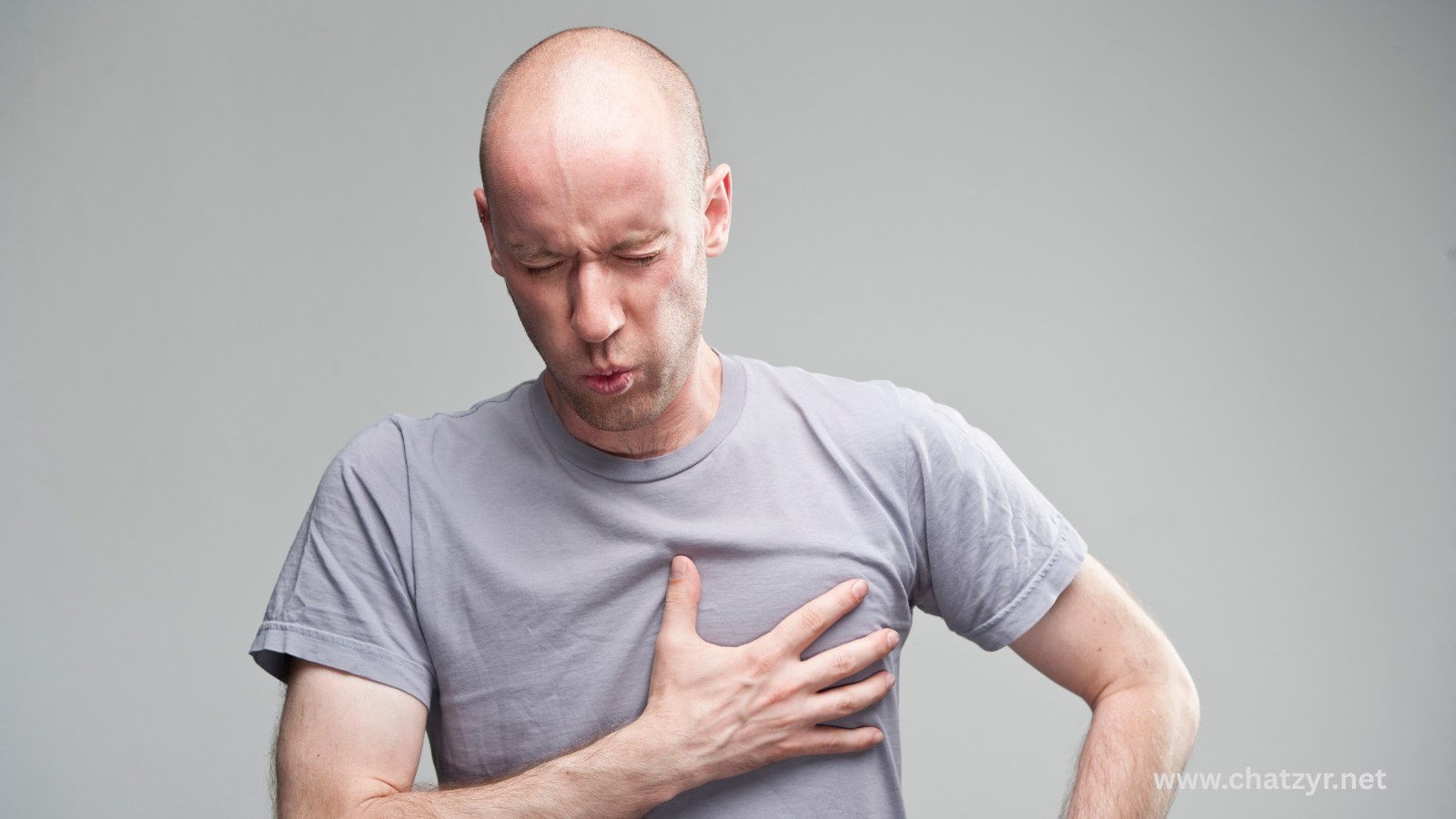
Heart attack symptoms can begin subtly. The most common warning signs include:
- Chest pressure, squeezing, or tightness
- Pain spreading to the arm, neck, jaw, or back
- Shortness of breath
- Cold sweats
- Nausea or vomiting
- Sudden dizziness
Medical professionals stress that women, diabetics, and younger adults may experience atypical symptoms such as unexplained fatigue, mild discomfort, or back pain — often mistaken for indigestion or stress.
What Triggers a Heart Attack?
Most cases are caused by coronary artery disease. Over time, fatty deposits (plaque) narrow the arteries. When a plaque ruptures, a blood clot can completely block blood flow to the heart muscle.
Key global risk factors include:
- High blood pressure
- Elevated cholesterol
- Smoking
- Diabetes
- Obesity
- Physical inactivity
- Chronic stress
The Critical First Hour
Emergency response within the first hour dramatically improves survival and reduces long-term heart damage. Immediate medical attention — including clot-dissolving treatment or emergency procedures — can preserve heart function and prevent complications.
Why It Matters Now
With rising stress levels, processed diets, and increasingly sedentary lifestyles across both developed and developing nations, heart attacks are affecting adults at younger ages than before. Prevention through lifestyle changes and early recognition of symptoms remains the strongest defense.
A heart attack is not just a personal health crisis — it is a global public health emergency demanding awareness and immediate action.
Published on Chatzyr.net
Written By Editorial Desk | Team Chatzyr