
Desmond Morris Death: ‘The Naked Ape’ Author Who Redefined Human Behavior Dies at 98 | ChatZyr
By Editorial Desk | Team Chatzyr
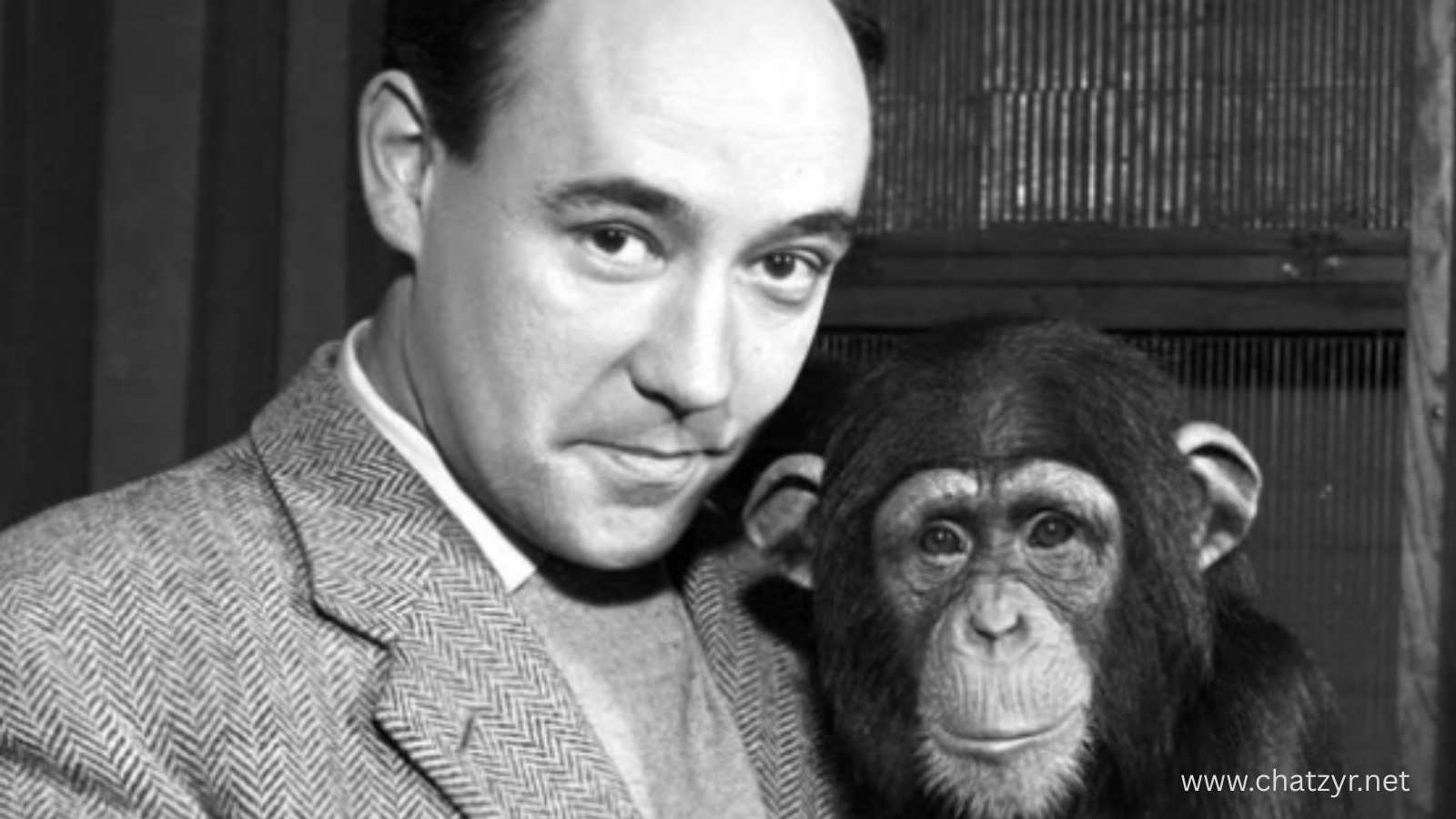
LONDON: Desmond Morris, the pioneering British zoologist, bestselling author, broadcaster, and surrealist painter, has died at the age of 98, leaving behind a transformative legacy that reshaped how the world understands human behavior.
Morris gained global fame with his 1967 bestseller The Naked Ape, a groundbreaking work that examined humans through the lens of animal biology. The book challenged traditional views, presenting humans as part of the animal kingdom rather than separate from it, and became one of the most influential works in ethology.
The Book That Changed How We See Ourselves
When The Naked Ape was released, it sparked global debate. Morris explored human instincts, body language, mating behavior, and social structures with striking clarity. His central idea was simple yet powerful: modern human behavior is deeply rooted in evolutionary biology.
The book’s accessible style brought science into everyday conversation, helping millions understand complex behavioral theories without academic barriers. It became an international publishing phenomenon and remains widely read today.
From Zoo Research to Global Influence
Before becoming a household name, Morris built his academic foundation studying zoology at Oxford and working at the London Zoo. His research on primates and animal behavior played a crucial role in shaping his later theories about human conduct.
His early work demonstrated a pattern that would define his career: observing animals to better understand humans.
Television Pioneer in Science Communication
Morris was also among the first scientists to successfully bring behavioral science to television. Through programs like Zoo Time and later The Human Animal, he introduced audiences to scientific thinking in a compelling, visual format.
These shows helped normalize science-based storytelling long before it became mainstream, influencing modern documentary production and educational media.
The Artist Within the Scientist
Beyond science, Morris maintained a parallel career as a surrealist painter, drawing inspiration from figures like Salvador Dalí. His artwork reflected the same curiosity that defined his scientific work, exploring themes of identity, instinct, and human nature.
His paintings were exhibited internationally, reinforcing his reputation as a rare figure who seamlessly combined art and science.
Expanding the Study of Human Behavior
Following his early success, Morris authored numerous books examining body language, intimacy, and social behavior. His works expanded the public’s understanding of how humans communicate and interact, often highlighting unconscious patterns rooted in evolution.
He consistently argued that despite technological progress, human instincts remain largely unchanged, a perspective that resonated strongly in an increasingly modernized world.
Debate, Criticism, and Enduring Relevance
Morris’s ideas were not without controversy. Critics argued that his biological approach sometimes overlooked cultural complexity and social nuance. However, his work succeeded in opening new conversations across disciplines.
Rather than offering final answers, Morris encouraged inquiry, making his work a starting point for further exploration in psychology, sociology, and evolutionary science.
A Global Legacy That Still Shapes Thought
Over decades, Morris influenced generations of scientists, educators, and readers. His ability to simplify complex ideas without losing depth made him one of the most impactful science communicators of the modern era.
Today, concepts like body language analysis, evolutionary psychology, and behavioral observation owe much of their popular appeal to his contributions.
Why it matters now
At a time when understanding human behavior is critical, from social media dynamics to global cultural shifts, Morris’s work remains highly relevant. His legacy continues to shape how we interpret human actions, relationships, and identity in a rapidly evolving world.
Published on Chatzyr.net
Written By Editorial Desk | Team Chatzyr