UAE–OPEC Tensions Rise Over Output Limits as Exit Speculation Stirs Global Oil Market Concerns | ChatZyr
By Editorial Desk | Team Chatzyr
ABU DHABI: The United Arab Emirates has not exited the Organization of the Petroleum Exporting Countries, but intensifying disagreements over production quotas are fueling fresh speculation about a potential shift that could disrupt global oil markets.
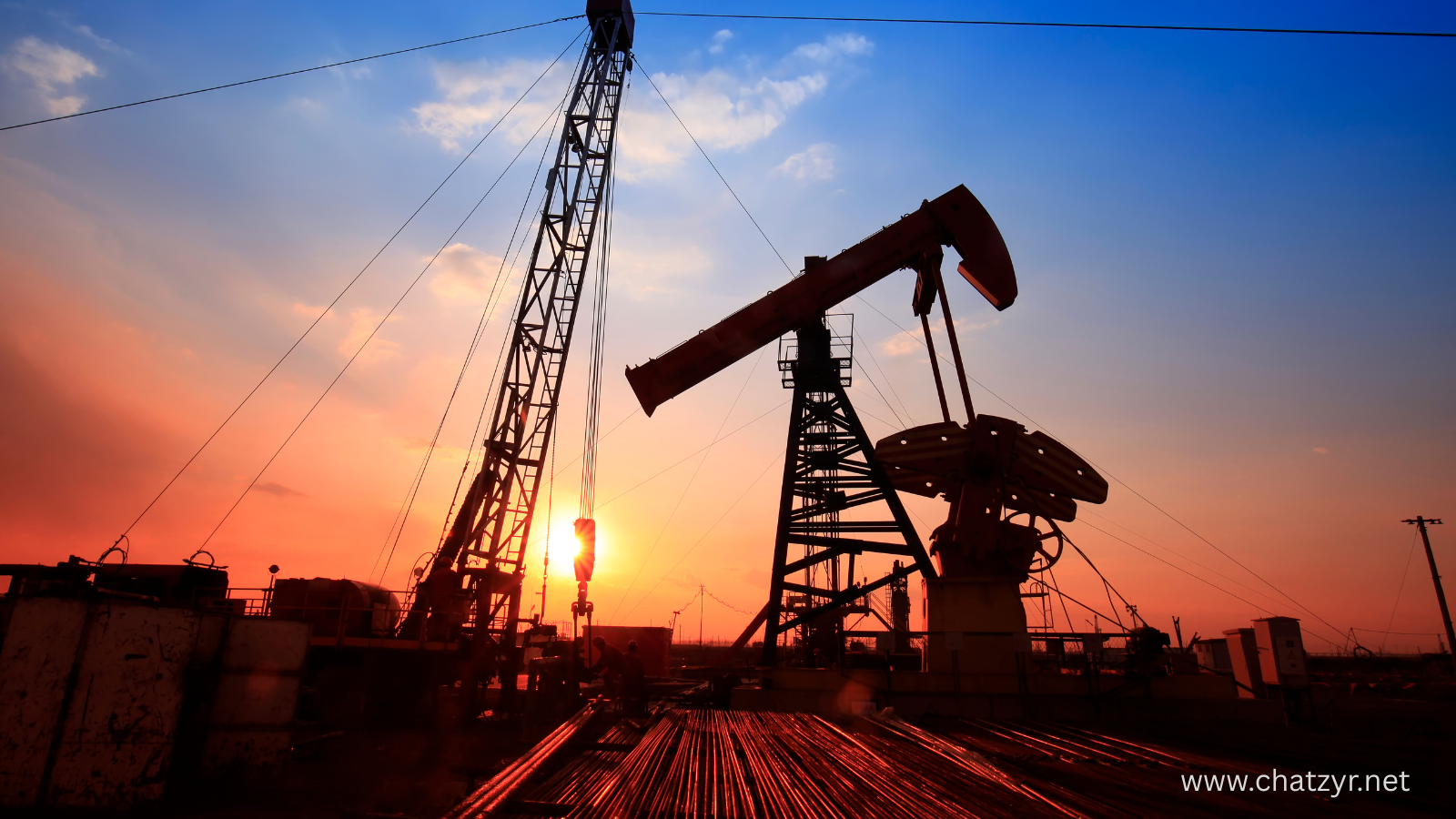
At recent OPEC+ discussions in Vienna, officials familiar with the negotiations confirmed that Abu Dhabi is pressing for a higher production baseline, citing expanded capacity developed through Abu Dhabi National Oil Company. The UAE has significantly increased its output capability to over 4 million barrels per day, yet current OPEC limits continue to restrict actual production.
The dispute places the UAE at odds with leading producers, particularly Saudi Arabia, which remains committed to tighter supply controls to stabilize oil prices. An OPEC delegate, speaking on condition of anonymity at the Vienna forum, said the UAE’s position reflects “capacity realities that are not fully recognized under existing quotas.”
Despite the friction, analysts stress that the UAE remains within OPEC due to the strategic advantage of influencing global oil pricing and maintaining coordinated supply management in volatile energy markets.
However, the possibility of a future UAE exit carries significant implications. Independent production increases could inject additional supply into global markets, placing downward pressure on oil prices while increasing volatility. More critically, it could weaken OPEC unity at a time when coordinated output decisions are central to managing inflation and energy security worldwide.
The debate unfolds against a backdrop of geopolitical uncertainty and shifting energy demand patterns, as major producers reassess long-term strategies in a transitioning global energy landscape.
Why it matters now: Any disruption within OPEC, especially involving a high-capacity producer like the UAE, could rapidly impact global oil prices, fuel costs, and inflation, with direct consequences for energy-importing economies.
Published on Chatzyr.net
Written By Editorial Desk | Team Chatzyr